
Doctorate in Asian Business, Online, AI




 WhatsApp
Economic Areas, Integration, China, India, ASEAN (Doctorate in Asian Business)

The objectives of the Professional Doctorate in International Business (DIB) specialization in Asian Business (3 years, 180 ECTS) offered by EENI Global Business School are to train Doctoral Student to be able to research on topics related to business in Asia.
Thus, a Doctoral Student can apply creative solutions and take appropriated business decisions related to Asian countries.
The Doctorate includes the module: “AI for Global Business”
- Intra-Asian Trade
- Asian Economy
- Integration processes in Asia
- Asian religions and its influence on business
- Asian Economic Areas (Central Eurasia, Malay, Buddhist, Hindu, Sinic)
- Asian Economic Organizations and trade agreements
- Doing Business in Asian Markets
Tuition Fees: EUR (€) 3,000
- Cash Payment (at enrollment date): 10% of discount. Amount to pay: € 2,700
- Payment with EENI financing:
- 70% at enrollment date: € 2,100
- 30% at the end of the Doctorate: € 900
 Enrol / Request for Information

- Duration: maximum of three calendar years Maximum of three calendar years since the formalization of the Enrollment up to the thesis deposit. If, after the three calendar years period the Doctoral Student has not deposited thesis, the Doctorate Programme Direction may authorise an extension of up to two years.
- Credits: 180

- Download the syllabus of the Doctorate (PDF)
Download the Admission Form
Intended for graduates and professionals who wish to continue their professional career in the field of International Business with an emphasis in Asia.
The Doctorate is part of the category of the Doctorate in International Business, which has the dual aim of contributing to knowledge and practice.
A Doctorate in Asian Business region that fits your schedule and helps you to get a better job.
Language: 
- All subjects offered are available in English
- Approximately 35% of subjects are also available in Spanish, French, and Portuguese
- Thus, Doctoral Student can perform this doctorate entirely in English (or French, Spanish or Portuguese)
- The student should have a sufficient level to study the subjects in these languages


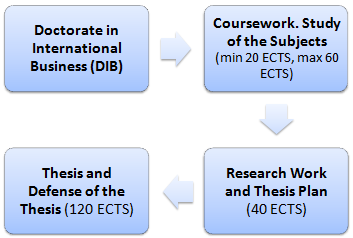
- Coursework. Study of Subjects (minimum 20 ECTS, maximum
60 ECTS)
- Candidates who have completed the Master in Business in Asia offered by EENI will be exempt from completing this training complement, validating all the doctorate subjects already studied in the Master, going directly to the research phase of the doctorate. In this case (Master 120 ECTS), the total amount of the doctorate will be € 2,000
- Research Work and Thesis Plan of the Doctorate (40 ECTS)
- Thesis and Thesis Defense (120 ECTS)
Related Subjects to Asia offered by EENI.
EENI provides a range of Related Subjects to Asia. Doctoral Student can select the most suitable subjects depending on the thesis. Doctoral Student selects the subjects once formalized the enrollment.
The Doctoral Students can choose the subjects from those offered by EENI with a minimum of 20 ECTS and a maximum of 60 ECTS.
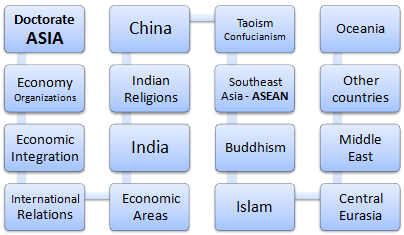
To facilitate the subject selection, these are organized into several blocks:
- Asian Economy. Economic Organizations (PDF) (structure)
- Asian Economic Integration
- International Relations of Asia
- Asian Economic Areas
- Doing Business in India (PDF) (structure)
- Indian Religions (structure) (PDF)
- Doing Business in China (PDF) (structure)
- Taoism and Confucianism (structure, structure) (PDF)
- Doing Business in Southeast Asia - ASEAN (PDF) (structure)
- Buddhism (PDF) (structure)
- Islam (PDF) (structure)
- Doing Business in Central Eurasia (PDF) (structure)
- Doing Business in the Middle East (PDF) (structure)
- Doing Business in other Asian Countries
- Doing Business in Oceania (PDF) (structure)
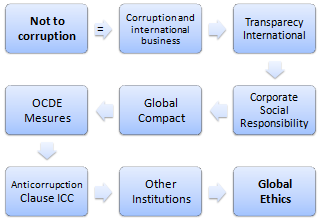
- No to Corruption in Asia (PDF) (structure)
- AI for Global Business
Please, see below for more information
Research Areas of the Doctorate
- Doctoral Student should select the most appropriate subjects for his thesis
- Doctoral Student can use any possible subject combination
- Minimum ECTS to be selected is 20, maximum is 60
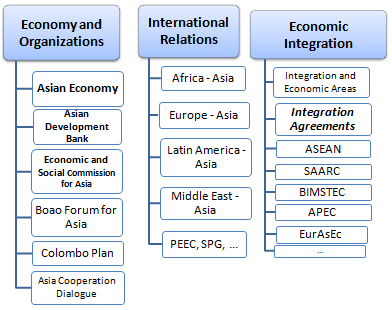
Module - Economy, Institutions, Integration, and international relations of Asia.
- Asian Economy
- Economic Integration in Asia-Pacific
Asian Economic Organizations:
- Economic Commission for Asia (ESCAP)
- Asian Development Bank
- Colombo Plan
- Boao Forum for Asia
- Asia Cooperation Dialogue
- Islamic Development Bank
International Economic Relations, Organizations and inter-continental agreements related to Asia.
- APEC
- Indian-Ocean Rim Association
- Organization of Islamic Cooperation
- Standing Committee for Economic and Commercial Cooperation
- Trade Preferential System (TPS-OIC)
- Islamic Centre for Development of Trade
- Islamic Chamber of Commerce and Industry
- Statistical, Economic and Social Research Centre for Islamic Countries
- Africa-Asia Partnership
- Asia-Europe Meeting (ASEM)
- Forum for East Asia-Latin America Cooperation (FEALAC)
- Dialogue Asia-Middle East (AMED)
- Comprehensive and Progressive Agreement for Trans-Pacific Partnership (CPTPP)
- Africa-BRICS Cooperation
- Pacific Economic Cooperation Council (PEEC)
- Generalized System of Preferences (EU)
- Organization for Security and Cooperation in Europe (OSCE)
- Almaty-Bishkek Logistics Corridor
- Bangladesh-Myanmar Logistics Corridor
- China-Russia Logistics Corridor
- China-Pakistan Logistics Corridor
- China-Central-West Asia Logistics Corridor
- India-Afghanistan Logistics Corridor
- Europe-Caucasus-Asia Logistics Corridor
- Corridor of the Ashgabat Agreement
- Trans-Siberian Railway (Russia, North Korea)
- North-South Corridor (India-Russia)
- Afghanistan-Turkey Logistics Corridor
- Trans-Caspian Logistics Corridor
- East-West Corridor (Myanmar-Vietnam)
- Kyrgyzstan-Iran Logistics Corridor
- Islamabad-Istanbul Logistics Corridor
- Nanning-Singapore Logistics Corridor
Module - Asian Economic Areas:
- Hindu Economic Area (PDF)
- Sinic Economic Area (PDF)
- Buddhist Economic Area (PDF)
- Asian-Islamic economic areas.
- Arab Economic Area (PDF)
- Central Eurasian Economic Area (PDF)
- Malay Economic Area
- Economic Integration of Islamic Civilization
- Interactions of Islamic Civilization with other civilizations
- Economic Area of Oceania (PDF)
- Agreements between Asian economic areas:
- Asian Clearing Union
- South Asian Association for Regional Cooperation
- Bay of Bengal Initiative
- Shanghai Cooperation Organization
- South Asia Economic Cooperation (SASEC)
- Asia-Pacific Trade Agreement
- Central Asia Regional Economic Cooperation (CAREC) Programme
Trade Agreements related to Asian Markets.

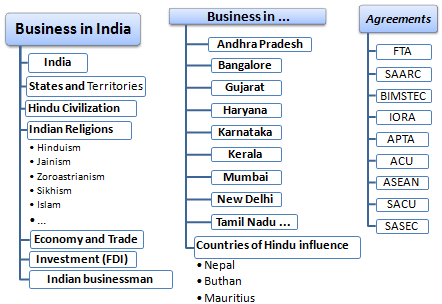
Module - Business in India (26 ECTS)
- Introduction to India
- States of India
- Economy of India
- FDI in India (Bharat)
- Indian businesspeople and enterprises: Hinduja, Birla, Infosys, Relliance, BIOCON, PhD Cyrus S. Poonawalla, Wadia, Godrej, TATA, Sahu Jain, Gautam Adani, Bhavarlal Hiralal Jain, Ajit Gulabchand, Wipro Azim Premji, and Yusuf Hamied
- New Delhi
- Andhra Pradesh
- Bangalore Karnataka
- Haryana
- Maharashtra
- Gujarat
- Tamil Nadu
- Kerala
- Indian Trade Agreements
- Forum India-Africa
- Asia-Africa Logistics Corridor
Download the syllabus “India” (PDF).
Hindu Economic Area.
- The Indian religions and the Hindu Economic Area
- India as the Central State of Hindu Civilization
- Countries in the area of influence of Hindu Civilization:
- Economic Integration of Hindu Civilization
- Economic relations of Hindu Civilization with other civilizations
- Diaspora of Hindu Civilization

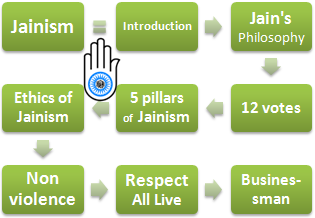
Module - Indian religions and their influence on business in the Hindu Economic Area (4 ECTS).
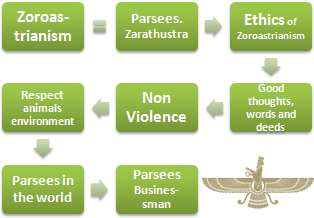
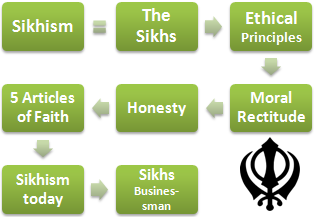
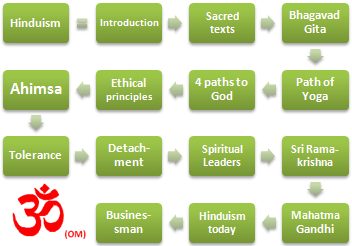

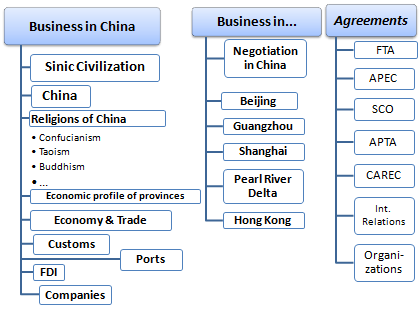
Module - Business in China (22 ECTS)
- Introduction to China
- Chinese economy
- Negotiation in China
- Chinese enterprises: Zhang Ruimin, Haier, Ali Baba, Huawei, and Galanz
- China Customs
- Chinese Trade Agreements
- FDI in China
- Marine transport and ports
- Shanghai
- Guangzhou
- Beijing
- Greater Pearl River Delta
- Hong Kong
- China's International Economic Relations
- Africa-China Cooperation

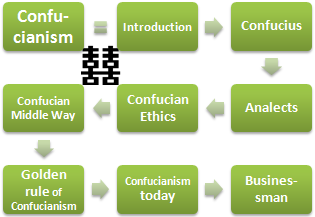
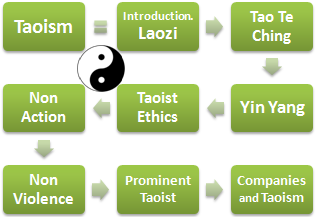
Module - Taoism and Confucianism (3 ECTS).
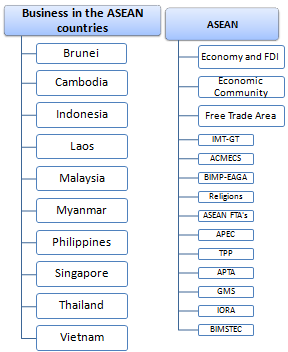
Module - Business in Southeast Asia (ASEAN) (30 ECTS).
- ASEAN
- ASEAN Economic Community
- FDI in ASEAN Countries
- ASEAN Free Trade Area
- Indonesia-Malaysia-Thailand Growth Triangle
- Mekong Economic Cooperation
- East ASEAN Growth Area
- ASEAN Trade Agreements
- Mekong River Commission
- Greater Mekong Subregion
- Regional Comprehensive Economic Association
- Brunei
- Cambodia
- Indonesia
- Laos
- Malaysia
- Myanmar
- Philippines
- Singapore
- Thailand
- Vietnam
- ASEAN Businesspeople: Kith Meng, Sandiaga Salahuddin Uno, Tan Sri Mokhtar, and Thaksin Shinawatra

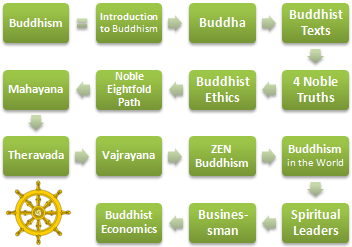
Module - Buddhism and Business (3 ECTS).
Buddhist Economic Area
- Influence of Buddhism on Buddhist Economic Area
- Economic Profile of the countries with Buddhist majorities
- Buddhist Businesspeople
- Economic Integration of Buddhist Civilization
- The Buddhist Civilization and ASEAN
- Interactions of Buddhist Civilization with other civilizations

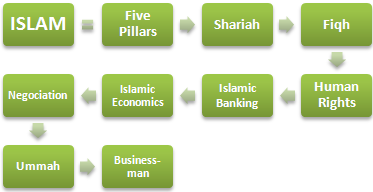
Module - Islam and Business (5 ECTS).
- Introduction to Islam: Pillars, Sunnites, Shiites, Human Rights, Sharia, Fiqh
- Ummah (Muslim Community)
- Islam and business: Banking and Islamic Finance, Muslim Businesspeople, Islamic economic areas

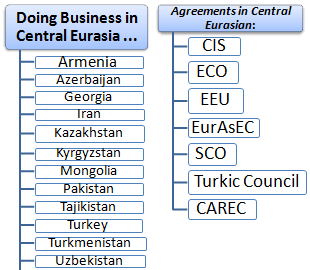
Module - Business in Central Eurasia (22 ECTS).
- Commonwealth of Independent States
- Economic Cooperation Organization (ECO)
- Eurasian Economic Union
- Cooperation Council of Turkic Speaking States
- Relations with the EU: Black Sea Synergy, European Neighborhood Policy, GSP
- Organization of the Black Sea Economic Cooperation
- Regional Organization for Democracy and Economic Development (GUAM)
- Economic Commission for Europe (UNECE)
- Armenia
- Azerbaijan
- Georgia
- Iran
- Kazakhstan
- Kyrgyz Republic
- Pakistan
- Tajikistan
- Turkmenistan
- Turkey
- Customs Union with the European Union
- Africa-Turkey Partnership
- Uzbekistan
Download the syllabus “Doing Business in Central Eurasia” (PDF).
Central Eurasian Economic Area

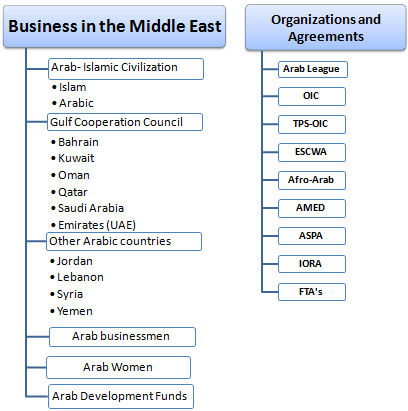
Module - Business in the Middle East (24 ECTS).
- Gulf Cooperation Council (GCC)
- Arab Countries not members of the CCG
- Arab Businessman
- Economic and Social Commission for Western Asia
- Arab League
- Afro-Arab Cooperation
- Eastern Catholic Churches (Maronites, Chaldeans)
- Download the syllabus: “The Middle East” (PDF)
Arab Economic Area
Arab Development Funds (1 ECTS).
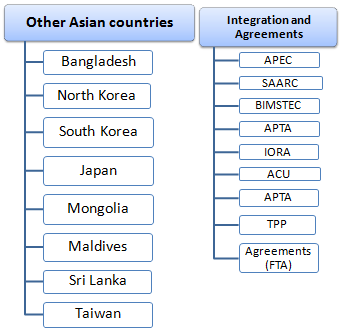
Module - Other Asian Countries:
- Bangladesh
- Japan
- Tokyo International Conference on African Development
- Maldives
- Mongolia
- North Korea
- South Korea
- Africa-Korea Partnership
- Sri Lanka
- Taiwan
- Businessmen: Muhammad Yunus, Muhammad Abdul Mannan, Salman F Rahman, Lee Kun-hee, Kazuo Inamori, Chang Yung-fa

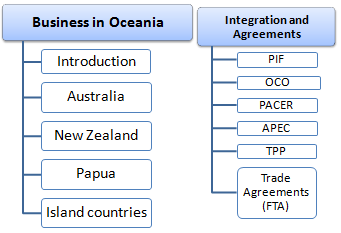
Module - Business in Oceania (11 ECTS)
- Pacific Islands Forum
- Oceania Customs Organization
- Australia
- New Zealand
- Papua New Guinea
- Pacific island countries
- Download the syllabus “Oceania” (PDF)
Economic Area of Oceania

Module - Business without corruption (4 ECTS)
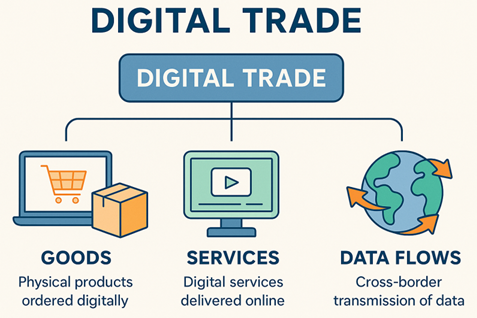
The objective of the "AI for Global Trade" module is to analyze the unstoppable disruptive capacity of Artificial Intelligence (AI) in Asian businesses
- Introduction to AI in Global Business
- AI Technologies and Tools for International Business
- AI and Global Trade
- AI in Global Strategy and Decision-Making
- AI in Global Supply Chain Management
- AI in International Marketing and Customer Insights
- AI and Cross-Cultural Management
- AI in Global Finance and Risk Management
- Ethical and Regulatory Considerations in Global AI
- AI for Sustainability in International Business
- Future Trends in AI & International Business
To be admitted to the Doctorate in Asian Business, students must have earned a Master's Degree.
- If you do not have a Master's Degree you can enroll in the Master in International Business. You will be exempt from the final Master's Thesis and you will be able to access the doctorate by going directly to the doctoral thesis preparation (you should not take the complement teachings of the doctorate)
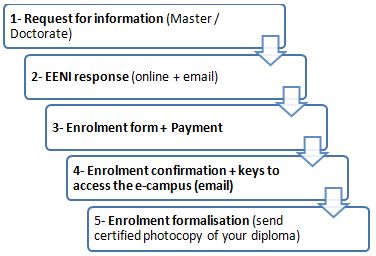
You must send by e-mail a certified photocopy of your diploma of master. This is necessary for the issuance of your diploma and not to enroll.
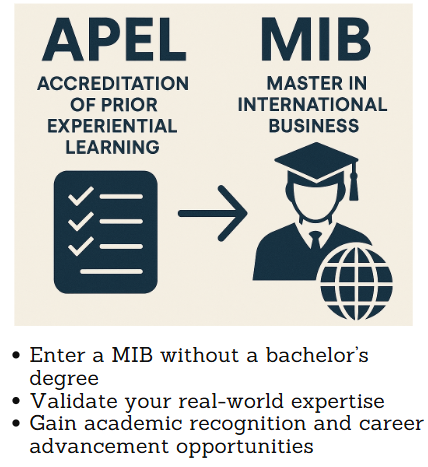
Those students, who are not in possession of a Master's Degree, may enroll trough APEL (Accreditation of Prior Experiential Learning) System.
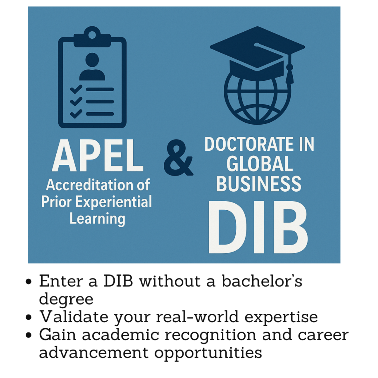
Students who pass the assessments and thesis will receive the “Diploma of Professional Doctorate in International Business (DIB) specialization in Asian Business” granted by EENI Global Business School.
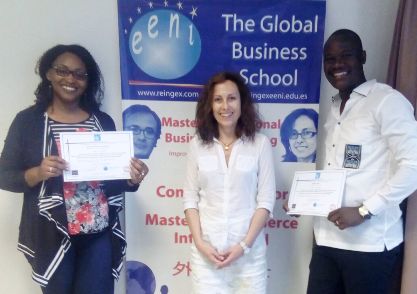
The Diploma of Professional Doctorate is awarded after assessing:
- Level of participation of Doctoral Student in the Doctoral Subjects
- Research Work
- Thesis Defense
Once defended and overcame the thesis, Doctoral Student will receive its diploma.
(c) EENI Global Business School (1995-2025)
Top of this page
