
Hindu Economic Area (Indian Civilization)








 WhatsApp
Regional Integration, Hindu Civilization (India, Nepal) Hinduism (Module)
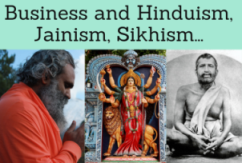
India, a continent by itself, is logically the Central State of Hindu Civilization. India is also a BRICS Country and the largest democracy in the World (1,210 million people).
To define Hindu Civilization, we will consider two factors: Religious and historical. The current Hindu Civilization can be regarded as the subsidiary of the ancient Indian (Indo) civilization (almost 3,000 years old).
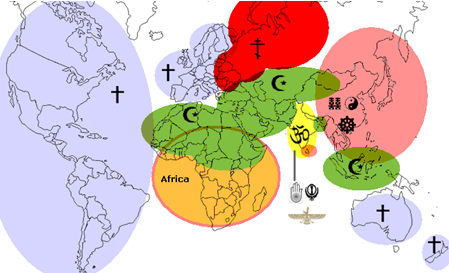
Religious diversity and geopolitical tensions
Hindu Civilization has a vital strategic location bordering several civilizations: Islamic, Buddhist, Sinic, and African Civilization (thanks to Mauritius).
Religions and Global Business -
Religious diversity
Module “Hindu Economic Area” consists of seven parts:
- Introduction to Indian religions and its relationship with Hindu Civilization
- Hinduism
- Islam in India (Bharat)
- Sikhism, Jainism, and Zoroastrianism
- Hindu Economic Area
- India as the Central State of Hindu Civilization
- Countries in the area of influence of Hindu Civilization: Mauritius, Nepal, and Bhutan
- Hindu Businesspeople
- Economic Integration of Hindu Civilization (institutions, trade agreements)
- Interactions of Hindu Civilization with other civilizations
- Economic Organizations and Trade Agreements related to Hindu Civilization
- Diaspora of Hindu Civilization
The goals of the module “Hindu Economic Area” are the following:
- To define the characteristics of the Economic Area of Hindu Civilization
- To analyze the influence of Indian religions on Hindu Economic Area
- To learn about economic profile of Hindu Countries
- To analyze the Businessmen profile of Hindu Civilization
- To understand the economic integration process of Hindu Civilization
- To learn about economic relationships of Hindu Civilization with other civilizations (Western, Sinic, Buddhist, Islamic, Orthodox, African)
- To analyze the main Economic Organizations related to the Hindu Economic Area

Module “Hindu Economic Area” is included within the curriculum of the following academic programs at EENI Global Business School:
Bhagavad Gita Courses, Realization of the Gita
Doctorate: Ethics, Religions & Business, World Trade.

Masters: International Business, Religions and Business.

Languages:  or
or  Civilización Hindú
  Civilization Hindou
  Civilização Buddhist.
Why study “Indian Religions and Business”?.
- Credits of the module “Hindu Economic Area”: 2

- Download the syllabus “Hindu Economic Area” (PDF)
 Masters adapted to Indian Students (Bharat).

Related module to the “Hindu Economic Area”
1- Introduction to Indian religions and its relationship with the Hindu Economic Area.
- Hinduism
- Zoroastrianism
- Jainism
- Sikhism
- Islam in India (Bharat)
2- The Hindu Economic Area and the economic profile of the countries of Hindu Civilization
- Introduction to the Hindu Economic Area
- India as the Central State of Hindu Civilization
- Republic of India
- Economic Profile of Andhra Pradesh, Gujarat, Haryana, Karnataka, Kerala, Maharashtra, New Delhi, and Tamil Nadu
- Countries in the area of influence of Hindu Civilization
- Mauritius: a strategic place for business between Africa and India. 54% of Mauritian population is Hindu
- Nepal: 81% of the Nepalese population is Hindu (23 million of Nepalese)
- Bhutan. 25% of population of Bhutan is Hindu
- The Indonesian island of Bali has a Hindu majority (93%, 4.2 million Indonesians). However, this analysis does not include Indonesia (included in Islamic Civilization)
3- Businesspeople of Hindu Civilization.
- Hindu Businesspeople: Senapathy Gopalakrishnan, Srichand Hinduja, Kumar Birla, Kiran Mazumdar, Shri Mukesh D. Ambani
- Muslim Businesspeople: Azim Premji, Yusuf Hamied
- Zoroastrian Businesspeople: TATA, Cyrus S. Poonawalla, Adi Godrej, Nusli Wadia
- Jain Businesspeople: Sahu Jain, Bhavarlal Jain, Ajit Gulabchand, Gautam Adani
- Sikhs Businesspeople: Jogishwar Singh, Shivinder Singh, Ajaypal Singh Banga
- Kenyan Businesspeople of Indian origin: Naushad N. Merali and Bhimji Depar Shah
4- Economic Integration of Hindu Civilization (Economic Organizations, Trade Agreements)

- India-Mauritius Agreement
- India-Bhutan Trade Agreement (commerce and transit)
- India-Nepal Trade Agreement
- Bhutan, India, and Nepal are members of
- South Asian Association for Regional Cooperation (with Afghanistan, Bangladesh, the Maldives, Pakistan, and Sri Lanka. Mauritius is an observer of SAARC)
- Bay of Bengal Initiative (with Myanmar, Bangladesh, Sri Lanka, and Thailand)
- Asian Clearing Union (with Bangladesh, Iran, Myanmar, the Maldives, Pakistan, and Sri Lanka)
- South Asia Economic Cooperation (SASEC) (with Bangladesh, the Maldives, and Sri Lanka)
- Mauritius and India are members of the Indian-Ocean Rim Association (with eighteen countries)
5- Interactions of Hindu Civilization with other civilizations.
- With Buddhist Civilization
- India has Trade Agreements with Sri Lanka, Thailand, Singapore, and South Korea
- With Western Civilization
- With the European
Economic Area:
- India has a Trade Agreement with the European Union and the European Free Trade Association (EFTA)
- Bhutan and Nepal are beneficiaries of SPG of EU and eligible for the EIB
- Mauritius has a pre-Agreement with the European Free Trade Association (EFTA) and belongs to the Africa-EU Partnership
- With the American Economic Area:
- North American
- Mauritius and the United States: AGOA, COMESA-U.S. Agreement, Trade Agreement Mauritius-United States
- India-Canada Agreement
- Latin American. Hindu Civilization has trade agreements with Chile, MERCOSUR, and the Andean Community
- The Caribbean. No Hindu country has Trade Agreements with the Caribbean Countries
- North American
- With the area of Oceania: India has a Trade Agreement with New Zealand and Australia
- With the European
Economic Area:
- With African Civilization
- The Preferential Trade Agreement between India and SACU (South Africa, Lesotho, Eswatini, Botswana, and Namibia)
- Mauritius is a member of:
- Africa-India Cooperation
- Asia-Africa Logistics Corridor
- Africa-BRICS Countries Cooperation
- All Countries of Hindu Civilization are members of the Africa-Asia Strategic Partnership
- With Muslim Civilization:
- India has Trade Agreements with Indonesia, the Gulf Cooperation Council (GCC), the Maldives, Bangladesh, Afghanistan, and Pakistan
- Nepal has an agreement with Bangladesh
- Bhutan has a Trade Agreement with Bangladesh
- Mauritius has a trade agreement with Turkey and a Preferential Trade Area with Pakistan
- India-Afghanistan Logistics Corridor
- Corridor of the Ashgabat Agreement
- Agreements between civilizations
- Asia-Pacific Trade Agreement (with Bangladesh, China, South Korea, Laos, Sri Lanka, and Mongolia)
- Agreement between ASEAN and India
- Bangladesh-Myanmar Logistics Corridor
- North-South Corridor (India-Russia)
* This subject presented only major FTA related to Hindu Civilization.
6- Diaspora of Hindu Civilization.
- Hindu Diaspora
- Sikh Diaspora
- Zoroastrian Diaspora
- Jain Diaspora
7- Economic Organizations related to Hindu Civilization.
- Economic Commission for Asia (ESCAP)
- Asian Development Bank
- Asia-Europe Meeting
- Asia-Middle East Dialogue
- Colombo Plan
- Asia Cooperation Dialogue
- Boao Forum for Asia
- African Union
- African Development Bank
- AUDA-NEPAD
- Economic Commission for Africa
- United Nations
- International Monetary Fund
- World Trade Organization (WTO)
Religions that defines Hindu Civilization.
India is the cradle of four religions: Sikhism, Jainism, Hinduism, and Buddhism, sharing many values such as Ahimsa (Non-Violence), respect for the animals and respect for the other religions. All these faiths define Hindu Civilization.
- Faith-based Marketing
- Yoga of the Threefold Faith of the Bhagavad Gita
Sri Ramakrishna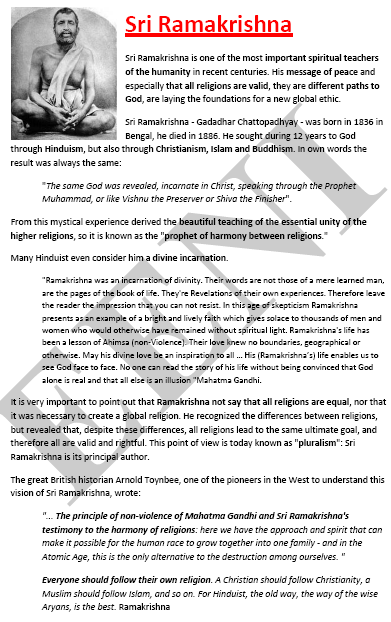
It is also necessary to consider the importance of Islam and Christianity in India.
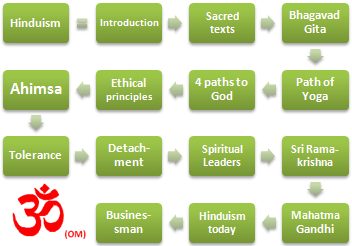
Hinduism.
Approximately 1.2 billion of Indian people follow Hinduism (80% of the Indian Population), making it the third religion in the World by the number of believers (behind Christianity and Islam, and ahead of Buddhism and Sikhism). Hinduism is the main religion in twenty-seven States of India.
Islam in India.
About 13% of Indian Population is Muslim (172 million of Indian Muslims) and is, therefore, the second religion in India by number of followers. There are Muslim majorities in Lakshadweep, Jammu and Kashmir and is also vital in Uttar Pradesh, West Bengal, and Bihar. Almost all Indians are Barelvi (Sunni Hanafi school). Indian Muslims control big business like Wipro or CIPLA laboratories.
When India gained the independence from the British Empire, lost two important regions: Pakistan and Bangladesh, which joined Islamic Civilization.
Christianity in India.
2% of Indian Population is Christian (24 million people).
Sikhism
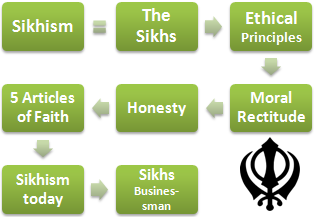
Sikhism represents 1.9% of Indian Population, especially in Punjab. The recognized moral rectitude of Sikhs promotes access to relevant executive positions worldwide (Rothchild or Mastercard). Many Hindus recognise to Sikhism as the “armed wing” of Hinduism. Approximately, there are twenty-six million Sikhs worldwide.
Zoroastrianism
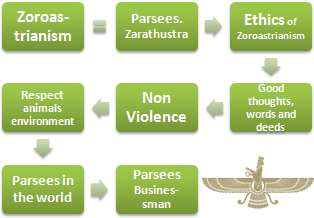
Although was originally from Persia (Iran), Parsees have played a major role in Hindu Civilization. Zoroastrians are a vital business community in India, the TATA group or the Businessman Cyrus Poonawalla are Zoroastrian.
Buddhism
Although Buddhism was born in India, today just 0.77% of Indian Population practices Buddhism. However, it is necessary to note that for many Indian, Buddhism is part of Hinduism and recognizes Buddha as a divine incarnation.
Jainism
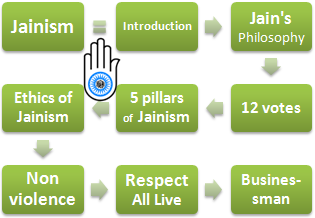
Jainism is just barely practiced by 0.41% of Indian population (between 5 and 6 million of Jains in India). Despite being a slight community, influential businesspeople are Jain, such as Indu Jain who controls the newsgroup Times and Bennett, Coleman Co.
Diaspora of Hindu Civilization.
It is necessary to consider the Hindu Diaspora because they are important players in business community in many countries.
Furthermore, the following countries, where Hindus often have excellent business relations, must be taken into account:
- There are some countries where Hinduism is the second religion: Fiji (28% of the population, 3.9 million people), Guyana (23%), Suriname (20%), Trinidad and Tobago (18%), Sri Lanka (15%), Pakistan (1%, 3.6 million), and Bangladesh (9%, some 15 million Bangladeshis are Hindus)
- In Singapore, 6% of the population is Hindu
- Influence of Hindu population in East Africa, especially in Kenya (1% of the population), Tanzania, and Uganda. However, these countries belong to African Civilization
- The following countries have small Hindu communities: Australia (2%), Saudi Arabia (1%), Burma (1.5%), the United States (0.5%), Canada (1.6%), Qatar (7%), the Seychelles (2%), Reunion (7%) Malaysia (6%), Bahrain (6%), Kuwait (12%), the UK (2%), South Africa (2%), the UAE (11%), Belize (2%), Oman (4%), New Zealand (2%), and the Philippines (1%)
The Sikh Diaspora is important in Canada (1.4% of the population), the UK (0.8%) and the United States (0.08).
The Zoroastrian Diaspora is found mainly in Pakistan.
They are Jain small communities in Belgium, Canada, Hong Kong, Japan, Singapore, and the United States.

(c) EENI Global Business School (1995-2025)
Top of this page
