
Africa-European Union Strategic Partnership




 WhatsApp
Cotonou Agreement. Africa-European Union Strategic Partnership Nigeria
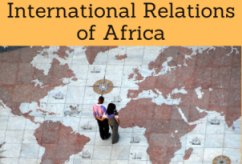
Module: International Relations of Africa
The European Union-Africa Summit, cemented the new Africa-EU Strategic Partnership, marking a qualitative leap in international relations between Africa and the European Union.
The Joint Africa-European Union provides a general long-term framework for international relations between Africa and the European Union

- Introduction to the Africa-EU Strategic Partnership (Cotonou Agreement)
- The former Cotonou Agreement
- European Union-Africa Infrastructure Trust Fund
- African, Caribbean and Pacific Group (ACP)
- Euro-Mediterranean Partnership
- European Union Neighborhood Policy
- Bilateral relations of EU with Africa
- European Union-South Africa Agreement
- European Union-Algeria Association Agreement
- EU Trade Agreements with Egypt, Morocco, and Tunisia

The educational aims of the Subject “Africa-EU Strategic Partnership” are:
- To understand the objectives of the Africa-EU Strategic Partnership
- To analyze the benefits for African Countries of the Africa-EU Strategic Partnership
- To explore EU bilateral relations with Africa

The Subject “Africa-EU Strategic Partnership” is included within the curriculum of the following academic programs at EENI Global Business School:
Doctorate in African Business.

Master in Business in Africa, International Business, Foreign Trade.

Languages:  or
or  Partenariat stratégique Afrique-Union européenn
  Parceria estratégica União Europeia-África
  Asociación estratégica UE-África.
- By Lisbon Declaration, Africa and EU define the framework for the Africa-EU Strategic Partnership, intended to guide dialogue and cooperation between the EU and Africa
- This objective is strengthened and complemented by specific objectives pursued within the Cotonou Agreement, trade development and cooperation agreements, the Euro-Mediterranean partnership, and the European Neighborhood Policy, including the assistance to the political reform and economic modernization
- Strong trade links connect Europe with Africa, making the EU the largest export market for African products
- Near 85% of cotton, fruit, and vegetables exports are imported from the European Union
- For most of African, Caribbean and Pacific Group countries - and virtually all the ACP countries - the European Union is the largest trading partner
The African, Caribbean and Pacific Group (ACP) group involves seventy-nine member economies, all of them, except Cuba, signatories to the Cotonou Agreement that bind them to the EU: forty-eight countries from the Sub-Saharan Africa, sixteen from the Caribbean and fifteen from the Pacific.
List of the African, Caribbean and Pacific Group (ACP) countries (Africa): Angola - Cape Verde - the Comoros - Benin - Botswana - Burkina Faso - Burundi - Cameroon - Central African Republic - Chad - Congo (Brazzaville) - Democratic Republic of the Congo - Ivory Coast - Djibouti - Eritrea - Ethiopia - Gabon - Gambia - Ghana - Republic of Guinea - Guinea-Bissau - Equatorial Guinea - Kenya - Lesotho - Liberia - Madagascar - Malawi - Mali - Mauritania - Mauritius - Mozambique - Namibia - Niger - Nigeria - Rwanda - São Tomé and Príncipe - Senegal - Seychelles - Sierra Leone - Somalia - South Africa - Sudan - Eswatini - Tanzania - Togo - Uganda - Zambia and Zimbabwe.
The Africa-EU Strategic Partnership belongs to:
- African Civilization
- European Economic Area (Western Civilization)
(c) EENI Global Business School (1995-2025)
Top of this page
