Business in Sierra Leone, Freetown, Oil



 WhatsApp
Sierra Leone (fastest growth economy in West Africa) Foreign Trade, Logistics, Mining, petrol
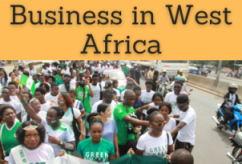
Main economic activities in Sierra Leone are gold and diamond mining
Sierra Leone has the largest natural African port
- Introduction to the Republic of Sierra Leone (West Africa)
- Business in Freetown
- Sierra Leonean Economy
- Foreign Trade of Sierra Leone
- Export Procedures in Sierra Leone
- Business and Investment Opportunities in Sierra Leone
- Sierra Leonean Agriculture
- Tourism
- Marine Resources
- Infrastructure
- Sierra Leonean Mining
- Petrol and gas
- Investment in Sierra Leone
- Access to the Sierra Leonean Market
- Business Plan for Sierra Leone
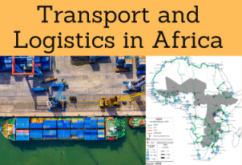
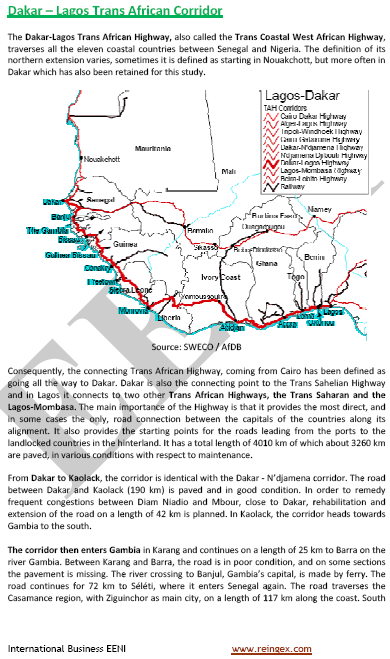
- Dakar-Lagos Logistics Corridor
- Access to the West African Ports

The educational aims of the Subject “Foreign Trade, Logistics and Business in Sierra Leone” are:
- To analyze the Sierra Leonean Economy, Logistics and Global Trade
- To conduct research on business opportunities in Sierra Leone
- To explore the Sierra Leonean trade relations with the student's country
- To learn about Sierra Leonean Trade Agreements
- To develop a business plan for the Sierra Leonean Market

The Subject “Foreign Trade, Logistics and Business in Sierra Leone” is included within the curriculum of the following academic programs at EENI Global Business School:
Masters: International Business, Business in Africa.
Doctorate in African Business.

Masters adapted to  Sierra Leonean Students.
Languages:  or
or  Sierra Leone
  Sierra Leona
  Sierra Leona.
- Subject Credits “Doing Business in Sierra Leone”: 1

Area of Knowledge: Africa.
International Trade, Logistics and Business in Sierra Leone.
Sierra Leonean Preferential Access and Trade Agreements:
- Sierra Leone and the West African Economic Area
- Economic Community of West African States (ECOWAS)
- West African Monetary Zone (WAMZ)
- Community of Sahel-Saharan States (CEN-SAD)
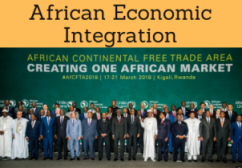
- African Continental Free Trade Area
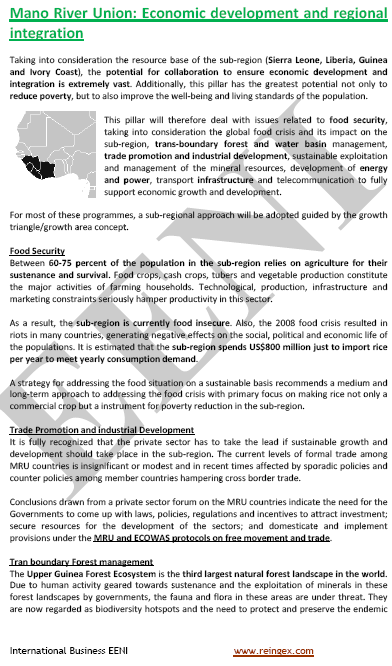
- Mano River Union
- European Union-Sierra Leone:
- GSP
- Africa-EU Partnership/Everything But Arms (EBA)
- African Growth and Opportunity Act (U.S.) - AGOA
- Islamic Trade Preferential System
- World Trade Organization (WTO)
- Agreement on Sanitary and Phytosanitary Measures
- Agreement on Trade in Services (GATS)
- Agreement on Technical Barriers to Trade
- Agreement on Preshipment Inspection
- Agreement on Safeguards
- Trade Facilitation Agreement
- World Customs Organization (WCO)
- Kyoto Convention
- Hamburg Rules (Maritime Transport)
- BIC
- Chicago Convention (ICAO)
- International Maritime Organization
- Istanbul Convention - not a member
- Customs Convention on Containers - not a member
- Economic Commission for Africa
- African Union
- AU Convention on Preventing and Combating Corruption
- AUDA-NEPAD
- Africa Agriculture Development Programme
- African Development Bank
- Africa-Japan Cooperation
- Africa-South America Summit
- China-Africa Cooperation
- Africa-Asia Partnership
- Afro-Arab Cooperation
- Arab Bank for Africa (BADEA)
- Organization of Islamic Cooperation (OIC)
- World Bank
- World Trade Organization (WTO)
- United Nations
- Conference on Trade and Development (UNCTAD)
- International Trade Centre (ITC)
- International Monetary Fund
- Borders of the Republic of Sierra Leone: Guinea-Conakry and Liberia
- Sierra Leonean Area: 72,000 km² (one of the smallest African nations)
- Sierra Leonean population: 7 million people
- Capital of Sierra Leone: Freetown (1.2 million)
- Other cities of Sierra Leone: Bo, Kenema, Koidu Town, and Makeni
- Official language of Sierra Leone: English
- Local languages: Temne, Mende, and Krio
- Government of Sierra Leone: Constitutional Democracy
- Sierra Leonean Legal System: English common law
- Sierra Leone was founded in 1787
- Independence of Sierra Leone: 1961 (United Kingdom)
More information about Sierra Leone (EENI African Business Portal).
The main religions in Sierra Leone are:
- Islam (78%)
- Christianity (27%)
- African Traditional Religions

Sierra Leone belongs to the West African Economic Area.
Economy of Sierra Leone:
- Sierra Leonean dynamic sectors: agriculture, construction, manufacturing, services, and iron-ore mining
- Sierra Leonean Agriculture sector: 51% of GDP/17% of exports/61% of workforce
- Top agricultural products of Sierra Leone: coffee, cocoa, and oil palm
- Main resources of Sierra Leone: mineral, tourism, agriculture, marine, petrol and gas, energy, and fishery
- Top Sierra Leonean export products: diamonds, rutile, and bauxite iron ore
- The largest Sierra Leonean trading partners are China, India, the UK, the United States, South Africa, and Belgium
- Common External Tariff (CET) of ECOWAS
(c) EENI Global Business School (1995-2025)
Top of this page
