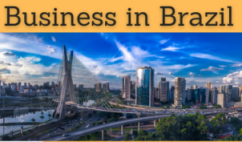
Business in Brazil, São Paulo, Rio Janeiro

Foreign Trade and Business in Rio Janeiro, Parana, Minas Gerais (Brazil)
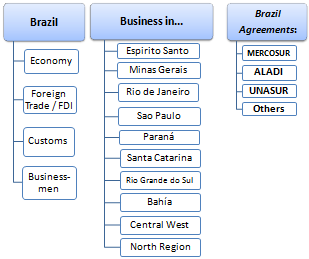
The main objective is to provide a real and practical vision of the Brazilian Economy and the business opportunities in Brazil: Espirito Santo, Minas Gerais, Rio de Janeiro, São Paulo, Parana, Santa Catarina, Rio Grande do Sul, and Bahia
- To learn to do business in Brazil
- To know the trade opportunities in the different States of Brazil
- To analyze Foreign Trade and foreign direct investment (FDI) flows in Brazil
- To design a marketing strategy for the Brazilian Market
- To know the Brazilian Trade Agreements
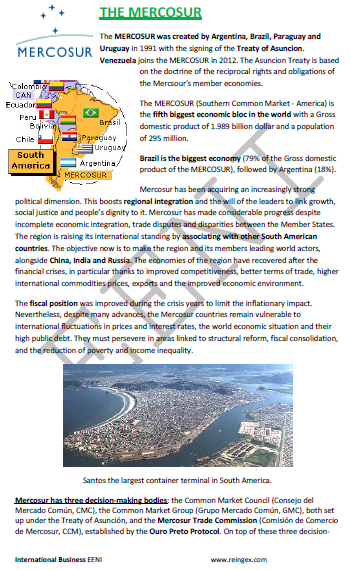
- To understand the importance of the MERCOSUR
- To examine the profile of Brazilian businesspeople and enterprises
- To carry out an International Marketing Plan or a Project to Set Up a Company in Brazil

Language: 


EENI Online Higher Education Programs:
Doctorate: American Business, World Trade.

Masters: International Business, Foreign Trade.
Brazil as the Central State of the Latin American Economic Area.
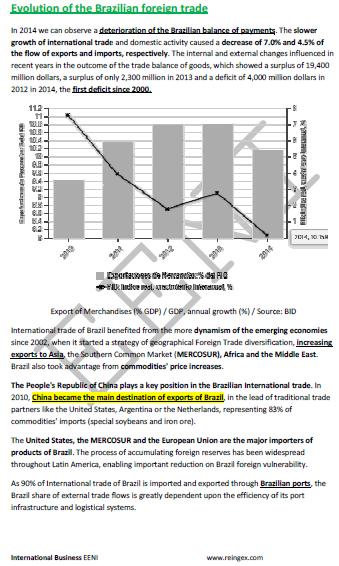
International Trade of Brazil.
Business in Rio Grande do Sul.
Business in the Central-West region of Brazil.
Business in the North of Brazil.
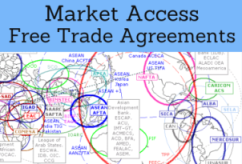
Brazil as a member of the MERCOSUR.
- MERCOSUR Agreements
- Chile-Brazil
- Mexico-Brazil
- Peru-Brazil
- India-Brazil
- Egypt-Brazil
- Israel-Brazil
- EU-Brazil
- Andean Community-Brazil
- Brazil-Mexico Economic Complementation Agreement
- Trade Negotiations Among Developing Countries
Regional Economic Organizations of Brazil.
- Latin American Integration Association (ALADI)
- Latin American and Caribbean Economic System
- Union of South American Nations (UNASUR)
- Africa-BRICS
- BRICS Countries
- SICA (observer country)
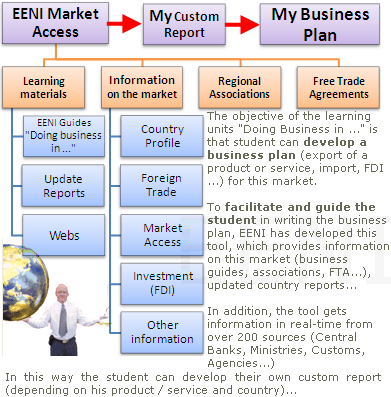
Access to the Brazilian market.
Includes the Market Access Tool:
American Trade and Economic Organizations:
- East Asia-Latin America Cooperation
- Summit Brazil Arab Countries (ASPA)
- South America-Africa Summit
- ASA: Africa-Brazil Summit
- Inter-American Development Bank
- ECLAC
- OAS
- CELAC
- WTO
- WCO
- Hamburg Rules (Sea)
- International Road Transport Union (IRU)
- BIC (Containers)
- Chicago Convention (ICAO)
- IMO
- Convention for Safe Containers
- Istanbul Convention
- International Chamber of Shipping
- Customs Convention on Containers - not a member
- UN
- UNCTAD
- ITC
- UNCITRAL
- WIPO
- WB
- WTO
- IMF
- African Development Bank
- CPLP
- Arab League - Observer State
- Organization for Economic Cooperation and Development (OECD) (Key Partner)
- OECD anti-corruption measures
- Brazil is the fifth-biggest nation in the World
- Brazil is the largest market in Latin America
- 65% of the Brazilian outputs are related to the services sector
- Brazil is the world's fifth-largest market for mobile phones and personal computers
- Brazil is one of the World's largest food producers
- Brazil is one of the World's largest biofuel producers
- Brazil is the world's third largest consumer market for cosmetic products
- Brazil is one of the World's biggest raw and processed minerals producer and exporter
- Brazil is an important consumer durables manufacturer (significant source of export earnings)
- The country has a modern and competitive textile industry
(c) EENI Global Business School (1995-2024)
We do not use cookies
Top of this page