Business in Burundi

Foreign Trade and Business in Burundi. Bujumbura
- Introduction to the Republic of Burundi (Central Africa)
- Burundian Economy
- International Trade of Burundi
- Business and Investment Opportunities in Burundi
- Infrastructure and logistics
- Agriculture
- Tourism
- Mining sector
- Food and beverages
- Industry and Manufacture
- Energy
- Financial Services
- Health
- ICT
- Real Estate
- Case Study: Inter Cafe Burundi
- Investment in Burundi
- Burundi Investment Promotion Authority (API)
- Access to the Burundian Market
- Business Plan for Burundi
The objectives of the subject “International Trade and Business in Burundi” are the following:
- To analyze the Burundian Economy and Global Trade
- To know the business opportunities in Burundi
- To explore the Burundian trade relations with the country of the student
- To know the Burundian Trade Agreements
- To develop a business plan for the Burundian Market
Global Trade and Business in Burundi:

The Subject “Foreign Trade and Business in Burundi” belongs to the following Online Programs taught by EENI Global Business School:
Doctorate: African Business, World Trade.

Masters: Business in Africa, International Business, Foreign Trade.

Courses: Business in East Africa, Central Africa.
Languages:  or
or  Burundi
  Burundi
  Burundi.
- Credits of the subject “Doing Business in Burundi”: 1

- Duration: one week
International Trade and Business in Burundi.
Burundi: a cobalt, copper, and coffee exporter. Landlocked country.
One of the ten poorest countries in the World.
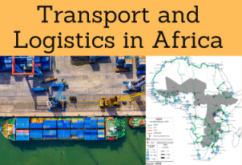
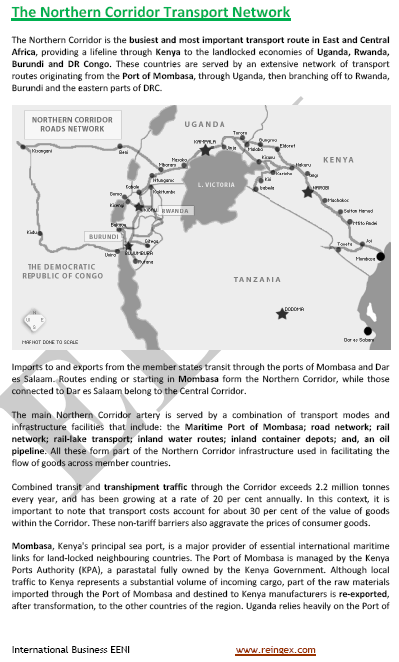
Transport and Logistics in Burundi
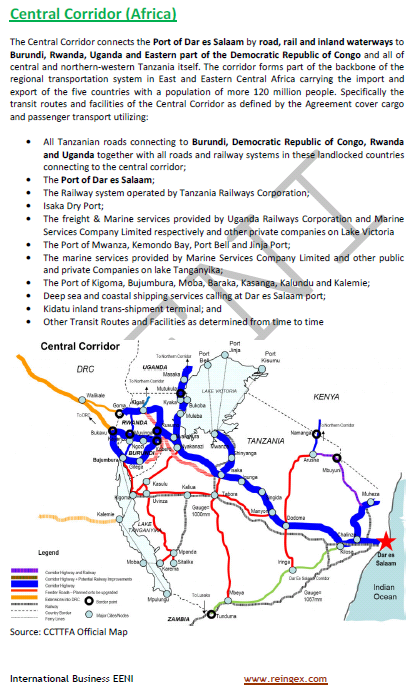
- Trans-African corridors;
- Nearest Ports;
- Port of Mombasa (Kenya)
- Port of Dar es-Salaam (Tanzania, Rail transport)
Burundian Preferential Access and Trade Agreements:
- Burundi and the Central African Economic Area / East African Economic Area
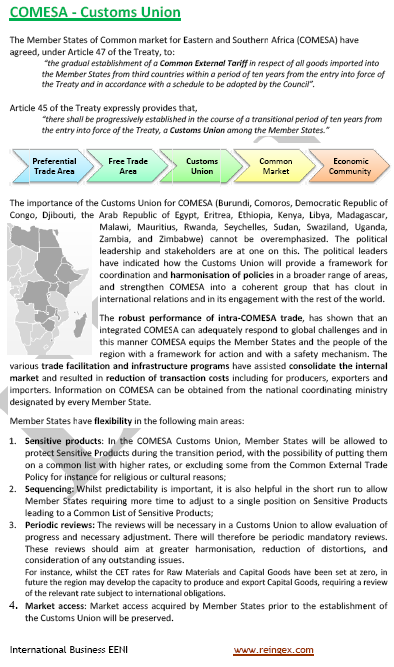
- Common Market for Eastern and Southern Africa (COMESA)
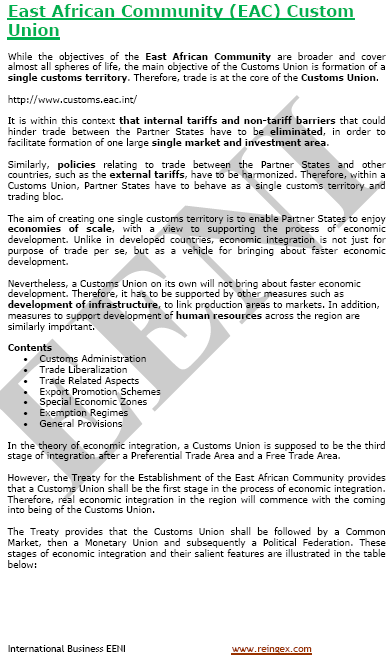
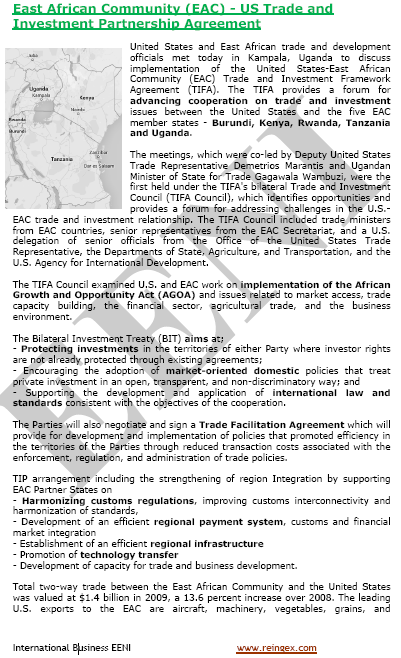
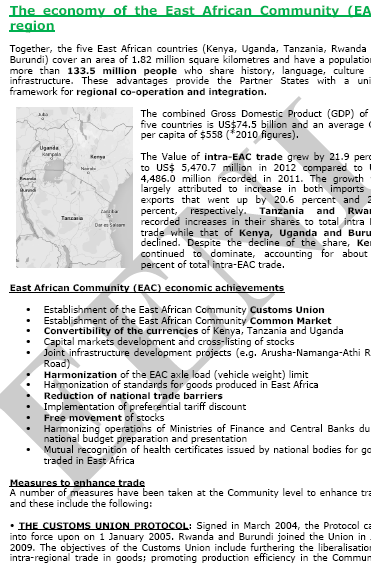
- East African Community (EAC)
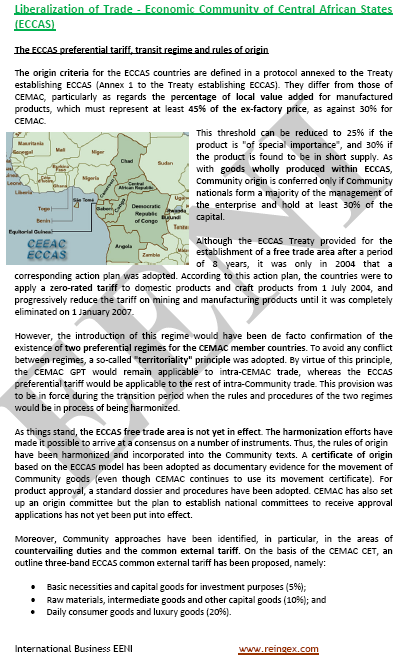
- Economic Community of Central African States (ECCAS)
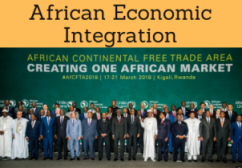
- African Continental Free-Trade Area
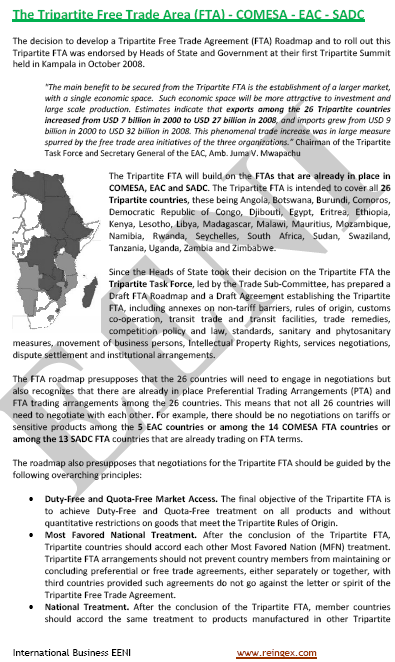
- COMESA-EAC-SADC Agreement
- Burundi-U.S.
- Burundi-EU
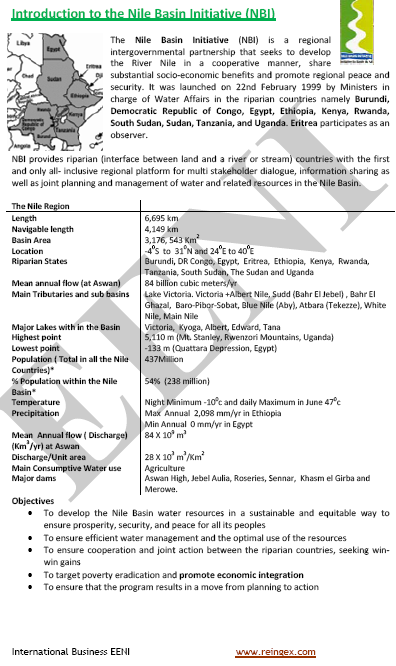
- Nile Basin Initiative
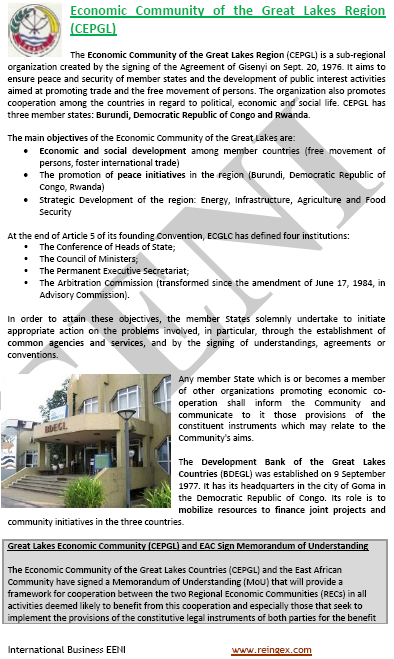
- Economic Community of the Great Lakes Region
- Conference on the Great Lakes
- Global System of Trade Preferences among Developing Countries (GSTP) - accession process
- WTO
- GATS
- Agreement on Sanitary Measures
- Agreement on Technical Barriers to Trade
- Agreement on Preshipment Inspection
- Agreement on Safeguards
- Trade Facilitation Agreement
- WCO
- BIC (Containers)
- Chicago Convention (ICAO)
- IMO
- Customs Convention on Containers
- Hamburg Rules (Sea)
- Economic Commission for Africa
- African Union
- AU Convention on Preventing and Combating Corruption
- AUDA-NEPAD
- Africa Agriculture Development Programme
- African Development Bank
- Africa-Asia Partnership
- Africa-India Cooperation
- Africa-BRICS
- Africa-Turkey Partnership
- Afro-Arab Cooperation
- BADEA
- Africa-Korea Partnership
- Africa-Japan Cooperation
- Africa-South America Summit
- UN
- WB
- WTO
- IMF
- FAO
- G-77
- International Bank for Reconstruction and Development
- UNESCO
- WHO
- WIPO
The Republic of Burundi is located in Central Africa and is one of the ten poorest countries in the World.
- Area of Burundi: 27,834 km²
- Burundian population: 11 million people
- The official languages of Burundi are Kirundi (97% of Burundian population), French (10%) and English (since 2014)
- Capital of Burundi: Bujumbura (340,000)
- Other largest cities: Gitega, Muyinga, Ngozi
- Burundian Independence: 1962 (Belgium)
- Burundian Government: Presidential representative democratic Republic
- Neighbors countries of the Republic of Burundi: Rwanda, Tanzania, and the DR Congo
More information about Burundi (EENI African Business Portal).
Religions in Burundi:
- Christianity (Catholicism: 3.9 million)
- African Traditional Religions
Burundi belongs to the Central African Economic Area and the East African Economic Area.

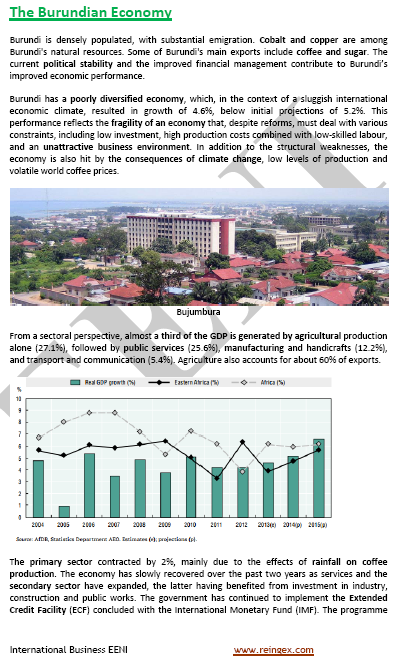
Burundian Economy:
- The Agricultural sector of the Republic of Burundi remains the pillar of the Burundian economy
- The main cash crops of Burundi (tea and coffee) are the main drivers of the economic growth and make up a significant proportion of the Burundian exports
- The Burundian Coffee production achieved 31,000 tones. The increase was due to the favorable response from the farmers after the “Office du café du Burundi” augmented the price it pays to the farmers by 44%
- Burundian GDP growth: 4.6%
- Agriculture: 27% of the GDP. 60% of the Burundian exports
- Public services: 25% of the GDP
- Burundian Manufacturing: 12%
- Burundian inflation: 7.8%
- Main natural resources of Burundi are cobalt and copper
- Top exports of Burundi are coffee and sugar
- Small industries subsist excluding the agricultural export processing
- Petroleum, nickel, copper, and other natural resources are explored
Body responsible for attracting the FDI: Burundi Investment Promotion Authority (API).