Business in Malawi

Foreign Trade and Business in Malawi - Lilongwe, Blantyre, Mzuzu
- Introduction to the Republic of Malawi (East Africa)
- Malawian Economy
- International Trade of Malawi
- Export and Import Procedures
- Business and Investment Opportunities in Malawi
- Energy
- Services
- Food and Beverage
- Infrastructure
- Tourism
- Malawian Mining
- Manufacturing
- Forestry
- Case Study:
- Agriculture and Agro-processing sector in Malawi
- Malawian Mangoes
- Press Corporation Limited
- Access to the Malawian Market
- Business Plan for Malawi
The objectives of the subject “International Trade and Business in Malawi” are the following:
- To analyze the Malawian Economy and Global Trade
- To know the business opportunities in Malawi
- To explore the Malawian trade relations with the country of the student
- To know the Malawian Trade Agreements
- To develop a business plan for the Malawian Market
Global Trade and Business in Malawi:

The Subject “Foreign Trade and Business in Malawi” belongs to the following Online Programs taught by EENI Global Business School:
Doctorate: African Business, World Trade.

Masters: Business in Africa, International Business, Foreign Trade.
Languages:  or
or  Malawi
  Malawi
  Malaui.
- Credits of the subject “Doing Business in Malawi”: 1

- Duration: one week
Masters adapted to  Malawian Students.
International Trade and Business in Malawi.
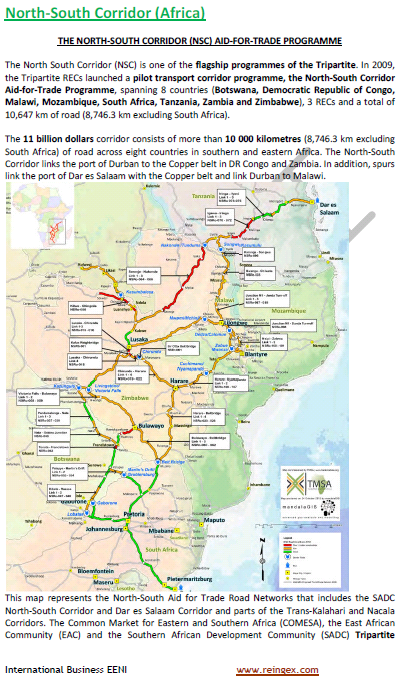
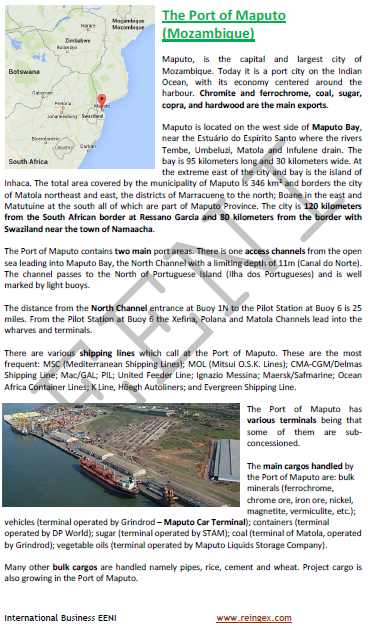
The Republic of Malawi: a landlocked agricultural country. Access via the Port of Maputo (Mozambique).
- North-South Corridor
- Nearest ports to Malawi
- Port of Maputo (Mozambique, 931 kilometers, Nacala Rail transport)
- Port of Dar es-Salaam (Tanzania): Malawi Cargo centre
Malawian Preferential Access and Trade Agreements:
- Malawi and the East African Economic Area
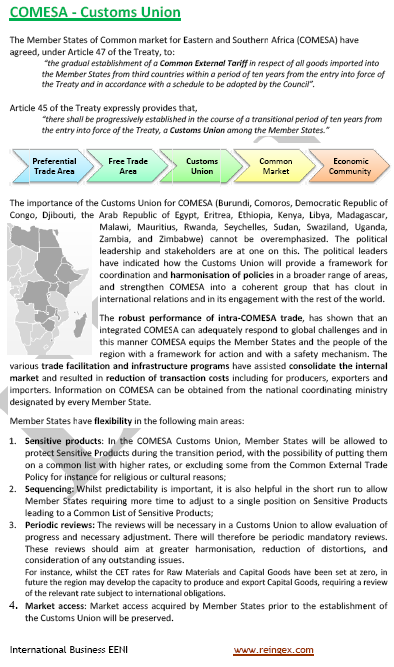
- Common Market for Eastern and Southern Africa (COMESA)
- Southern African Development Community (SADC)
- EU-SADC Agreement
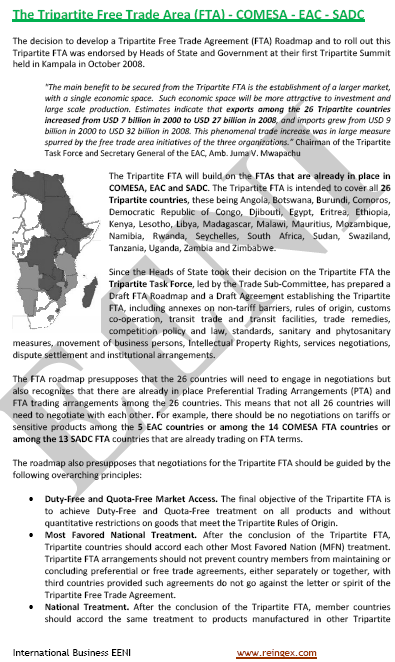
- COMESA-EAC-SADC Agreement
- African Continental Free-Trade Area
- The U.S.-Malawi
- EU-Malawi
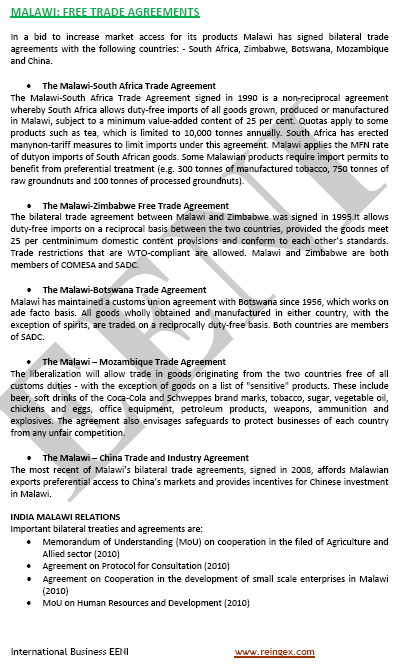
- Trade Agreements with South Africa, Zimbabwe, Botswana, Mozambique
- Malawi-China Trade and Industry Agreement
- Malawi-India Trade Agreement
- ICGLR - Guest Member
- WTO
- GATS
- Agreement on Sanitary Measures
- Agreement on Technical Barriers to Trade
- Agreement on Preshipment Inspection
- Agreement on Safeguards
- Trade Facilitation Agreement
- WCO
- Kyoto Convention
- Hamburg Rules (Sea)
- BIC (Containers)
- Chicago Convention (ICAO)
- IMO- not a member
- Economic Commission for Africa
- African Union
- AU Convention on Combating Corruption
- AUDA-NEPAD
- Africa Agriculture Development Programme
- African Development Bank
- Africa-Asia Partnership
- Africa-Korea Partnership
- Africa-BRICS
- Africa-Turkey Partnership
- Afro-Arab Cooperation
- BADEA
- Africa-Japan Cooperation
- Africa-South America Summit
- China-Africa Cooperation
- Africa-India Cooperation
- UN
- UNCTAD
- ITC
- WIPO
- WB
- WTO
- IMF
- World Health Organization
- Multilateral Investment Guarantee Agency
- Commonwealth of Nations

The Republic of Malawi
- Borders of Malawi: Zambia, Tanzania, and Mozambique
- Population of Malawi: 18 million people
- Lilongwe (Political capital): 1.9 million people
- Blantyre (economic capital of Malawi): 1 million people
- The largest cities of Malawi are Lilongwe, Blantyre, Mzuzu and Zomba
- Malawian Life expectancy: 54.6 years
- Malawian Literacy rate: 72.8%
- The area of Malawi: 118,844 km²
- Independence of Malawi from the UK: 1964
More information about Malawi (EENI African Business Portal).
Religions in Malawi.
- African Traditional Religions
- Christianity
- Catholicism (2.3 million)
- Protestants (4 million, 35% of Malawian population)
- Islam (15%)

Malawi belongs to the East African Economic Area.
Malawian Economy:
- The economy of Malawi is based on the agricultural sector, which is the driving factor of the Malawian economic growth
- Agriculture: 30% of Malawi's GDP
- The Malawian agricultural sector also grew strongly resulting in augmented tobacco production
- Malawi is the seventh largest world tobacco producer
- Malawi is Africa's third largest tea producer
- The Malawian economic growth impulse is generated by manufacturing, information and communication (IT), financial, and insurance services, mining, and quarrying, Transport and storage, accommodation, and food services sectors
- Malawian currency: Malawi Kwacha
International Trade of Malawi:
- Total exports of Malawi rise to 688.5 million dollars from 634.3 million in the previous year
- Malawian imports are estimated to have augmented to 992.1 million dollars from 920.3 million
- International business and Foreign direct investment opportunities exist in all the sectors of the Malawian economy
- There are preference sectors that are targeted because of their economic potential to increase the export earnings of Malawi, in line with the Malawi Growth and Development Strategy
- The main sectors offering optimum returns to local and foreign investors: manufacturing, agriculture, tourism, mining, and forestry