
Why do we need global ethics?


 WhatsApp
Worldwide crisis (financial, economics) global ethics for business
Why do we need a global ethics?
Worldwide crisis (financial, economic, cultural, and politic): need for a Global Ethics.
The Bhagavad Gita, the sacred book of Hinduism, wrote 2,300 years ago, says:
“When kindness declines,
when wickedness prevails,
when the purpose of life is forgotten—
I shall manifest, I shall return,
to proclaim the sacred, to destroy the sin of the sinner,
and to re-establish the way of the principles”.

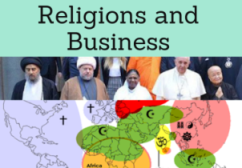
Religions and Global Business -
Religious diversity
- The need for a global ethics model
- Implications of global ethics on business and Globalization
- Some cases of Businesspeople who apply Models of Global Ethics:
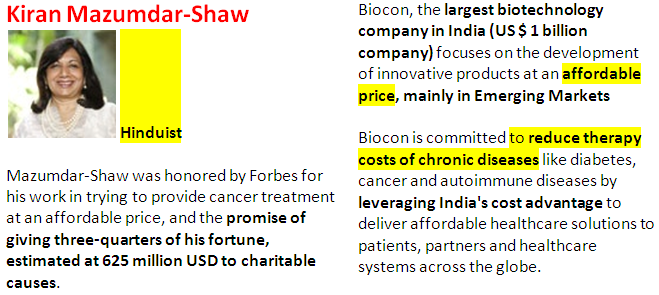
- Kiran Mazumdar (Founder of Biocom. India. Hindu)
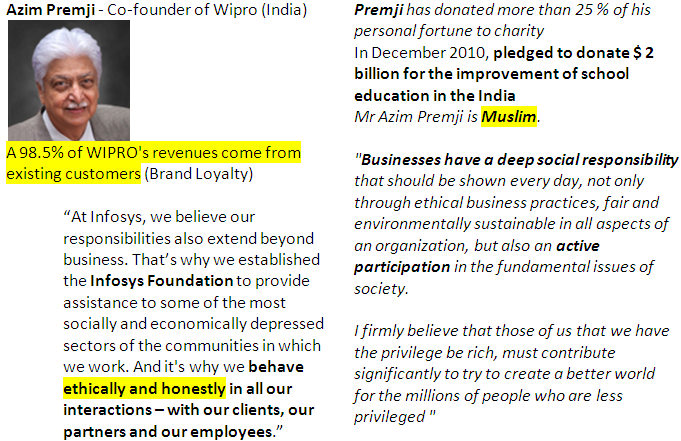
- Azim Premji (Founder of Wipro. India. Muslim)
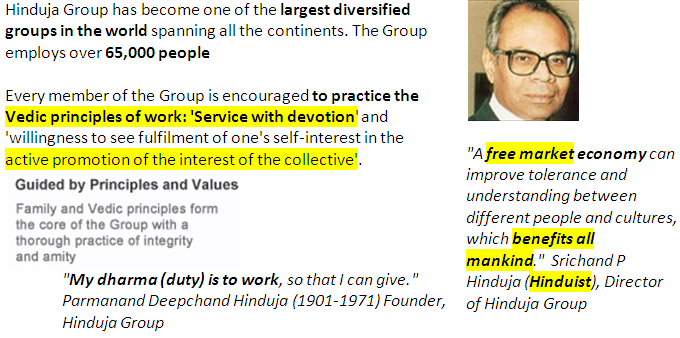
- Srichand Hinduja (Founder of Hinduja Group. India. Hindu)
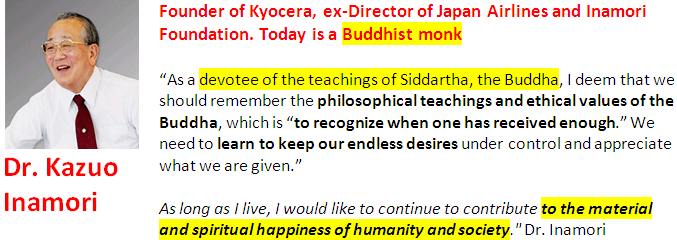
- Kazuo Inamori (founder of Kyocera. Japan. Zen Buddhist Monk)
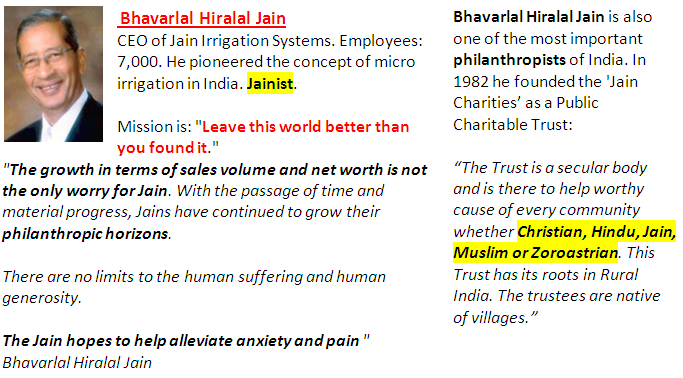
- Bhavarlal Hiralal Jain (Director of Jain Irrigation. India. Jain)
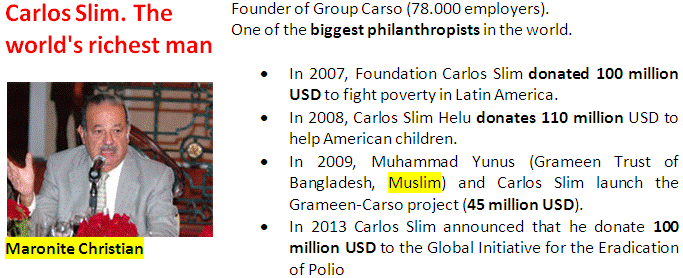
- Carlos Slim (Founder of Carso Group. Mexico. Christian)
- Bill Gates and Warren Buffet (founders of the largest philanthropic initiative: The Giving Pledge, the United States, Agnostics)
- Final conclusions

The Subject “Why do we need a global ethics?” is included within the curriculum of the following academic programs at EENI Global Business School:
Bhagavad Gita Courses, Realization of the Gita
Masters: International Business, Religions & Business.

Doctorate: Ethics, Religions & Business.

Languages:  or
or  Ética Global
  Éthique mondiale.
Principle of Racial Harmony (James Emman Kwegyir Aggrey).

How we have seen, global ethics influence on:
- International Business: “Towards an Ahimsa Company?”
- New Globalization model
- Science
- Education. Towards an education in values which transcends cultures
- Politics
- Religions and Culture Dialogue
Global Ethics influence on Global Business and Globalization.
1- International Business and Global Ethics.
a) International Marketing Strategies

Adapt globally with global ethics principles.
Impact on:
- Marketing plan: product design, promotion and communication policies, prices, distribution strategies, Positioning, branding, and segmentation
- Value Chain (Suppliers, Distributors, Branch)
- People (Workers, Managers, Directors) Code of Ethics
b) Trusted Relationships.
Business growth and brand loyalty.
C) avoid intercultural clashes.
Intercultural Management (Hofstede, Edward Hall) measures differences between cultures. Global Ethics is based on shared values.
d) Digital Economy. Google, Facebook.
Who define privacy limits ?
2- New globalization model.
Free market based on Global Ethics principles and respecting environment and humanity.
Towards a Spiritual Capitalism and “Ahimsa Company”: The success of a company is measured by:
- Values: integrity, non-violence (Ahimsa), and tolerance
- Results: efficiency, profitability
Remember: religious leaders are showing the path. Some of the world's Business leaders are developing their teachings.
We need to open our mind and our heart to non-Western vision.
To Hinduism.
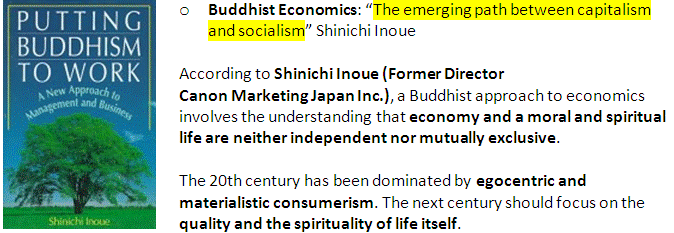
To Buddhism.


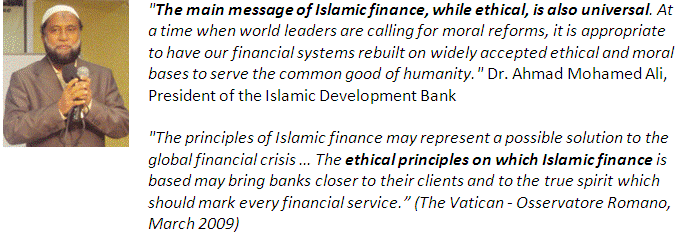
To Islam.
Zakat (solidarity).
- Zakat tax as the basis of Islamic fiscal policy
- Quoted thirty-four times in the Quran
- A good Muslim should pay annually 2.5% of its assets of its net wealth, to benefit the poorest brothers or in a state of disgrace
The role of the banks in the Global Economy
- Under the principles of Islamic Finance, a Bank cannot be a single lender who is not involved in the business; the Bank should be a financial partner
- The Bank assumes the risks of the company and therefore has a part of business ownership
“Now I have just my dresses. I donated all my possessions” Sulaiman Al-Rajhi is the founder of one of the World's largest Islamic banks.
To Jainism.

To Christianity.
Carlos Slim (the world's richest men)
To Agnostics.
Economy, finance, and politics have been globalized. Why not ethics?
The history of humanity has bequeathed us through our ancestors these wisdom traditions, these open windows to understanding, that today, in the digitalization and globalization era; we can lose.
The English poet T.S. Elliot explained us this risk with these beautiful and thoughtful words.
“Where is the knowledge we have lost in information?
Where is the wisdom we have lost in knowledge?” TS Elliot.
(c) EENI Global Business School (1995-2025)
Top of this page
