
Business in Peru, Lima. Peruvian Economy






 WhatsApp
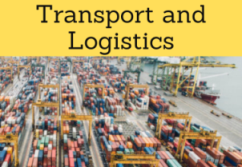
Peruvian International Trade, Logistics. Agribusiness, textiles (Peru, Business)
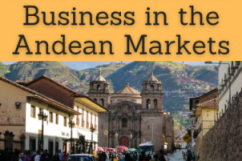
Peru has strong economic ties with American and Asian markets
The Peruvian agribusiness sector (Food and agricultural production) has grown significantly due to the dynamism in food products exports in the last four years (annual growth of 20%)
The economic forecast seems favorable to Peru in the next years, based on Foreign Direct Investment (mining, industry, communications, and energy), International Trade and local consumption
Lima is the economic, financial, and Foreign Trade centre of Peru
- Introduction to Peru (Andean Community)
- Peruvian Economy
- Economic Profile of the Peruvian Regions
- Economic Sectors of interest:
- Textiles
- Tourism
- Services
- Infrastructure
- Call centers
- Peruvian International Trade
- Investment in Peru
- Set up a Company in Peru
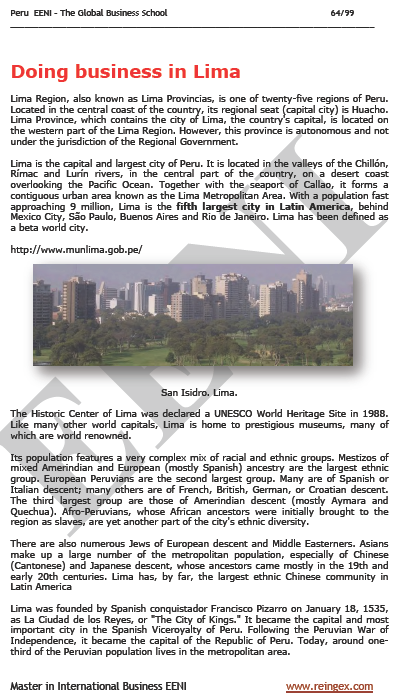
- Doing Business in Lima
- Case Study.
- Business Opportunities in agribusiness, textile, and services
- CAMPOSOL Group
- Creditex
- Case Study: Transport and Logistics in Peru.
- South Inter-oceanic Hub
- Access to the Peruvian Market
- Business Plan for Peru
International Trade and Business in Peru:

The educational aims of the Subject “Foreign Trade, Logistics and Business in Peru” are:
- To analyze the Peruvian Economy, Logistics and Global Trade
- To conduct research on business opportunities in Peru
- To explore the Peruvian trade relations with the student's country
- To learn about Peruvian Trade Agreements
- To examine the profile of the Peruvian companies
- To develop a business plan for the Peruvian Market

The Subject “Foreign Trade, Logistics and Business in Peru” is included within the curriculum of the following academic programs at EENI Global Business School:
Masters: International Business, Foreign Trade.

Languages:  or
or  Perú
Perú  Perou
Perou  Peru.
Peru.
- Subject Credits “Doing Business in Peru”: 3

International Trade, Logistics and Business in Peru
- Peru and the Hispanic American Economic Area
- Andean Community
- APEC
- Latin American Integration Association (ALADI)
- Pacific Alliance
- Union of South American Nations (UNASUR)
- Latin American and Caribbean Economic System
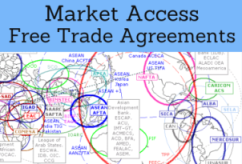
- Peru has trade agreements with Chile, MERCOSUR, European Union, and the European Free Trade Association (EFTA)
- Singapore-Peru Agreement
- U.S.-Peru Agreement
- Peru-Canada Agreement
- Japan-Peru Agreement
- Peru-South Korea Agreement
- Mexico-Peru Trade Integration Agreement
- Panama-Peru Agreement
- Peru-Honduras Agreement
- Costa Rica-Peru Agreement
- Peru-Australia Agreement
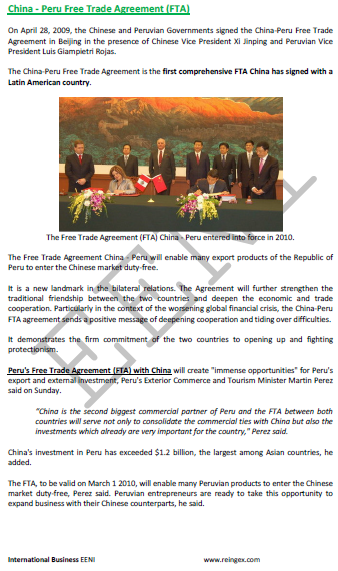
- Peru-China Agreement
- UK-Ecuador-Peru Free Trade and Economic Integration Agreement
- Global System of Trade Preferences
- Agreement for Trans-Pacific Partnership
- Trade Negotiations Among Developing Countries
- MERCOSUR (associate member)
- SICA (observer country)
- World Trade Organization (WTO)
- Agreement on Trade in Services (GATS)
- Agreement on Sanitary Measures
- Agreement on Technical Barriers to Trade
- Agreement on Preshipment Inspection
- Agreement on Safeguards
- Trade Facilitation Agreement
- World Customs Organization (WCO)
- Kyoto Convention
- BIC
- Chicago Convention (ICAO)
- International Maritime Organization (IMO)
- Istanbul Convention - not a member
- Customs Convention on Containers - not a member
- Inter-American Development Bank
- Organization of American States (OAS)
- Economic Commission for Latin America (ECLAC)
- Africa-South America Summit
- Community of Latin American and Caribbean States (CELAC)
- European Union-CELAC Summit
- East Asia-Latin America Cooperation
- Summit South American-Arab Countries
- United Nations
- World Bank
- International Monetary Fund
- Pacific Economic Cooperation Council
- The Republic of Peru is located on the western coast of Latin America
- The Borders of Peru are Brazil, Bolivia, Chile, Colombia, and Ecuador
- The Peruvian capital, Lima (8 million people) is the largest city in the Andean region
- The Departments of Peru are Amazonas, Ancash, Apurímac, Arequipa, Ayacucho, Cajamarca, Cusco, Huancavelica, Huanuco, Ica, Junín, La Libertad, Lambayeque, Lima-Provinces, Loreto, Madre de Dios, Moquegua, Pasco, Piura, Puno, Saint Martin, Tacna, Tumbes, and Ucayali) and Callao
- Peruvian major languages: Spanish is the official language, while Quechua and Aymara are co-officials
- Peruvian Population: 31 million people
- Area of Peru: 1,285,216 km². Peru is the third largest country in South America, after Brazil and Argentina
- Independence of Peru from Spain in 1821
- Abolition of Slavery in Peru: 1854
- African Diaspora in Peru: 0.5 million people (2% of the Peruvian population)
Religion in Peru: Christianity (31 million). Catholicism (24 million) and Protestantism

Peru belongs to the Hispanic American Economic Area of Western Civilization.
Peruvian Economy
- Lima (8.5 million people - Source: INEI), generates 35% of the industrial production and 53% of the Peruvian GDP
- Lima is the home of the largest Peruvian and multinational companies
- Arequipa is the “city with the highest economic growth in Hispanic America” (Source: America Economia)
- The Peruvian telecommunications sector is one of the fastest economic growth in Peru
- Peru is increasingly oriented toward Asia-Pacific (APEC and TPP)
- Peruvian currency: Nuevo Sol (PEN)
Peruvian International Trade.
- The Port of Callao is the largest International Trade port in the Andean Community
- Main Exports of Peru are mining (copper, gold, molybdenum, silver, and zinc: 58% of Peruvian exports), agriculture, fishing, hydrocarbons products, and manufactures
- Peruvian exports augmented 13% and recorded 31,529 million dollars (3.5 times higher than in 2002)
Foreign Direct Investment in Peru.
- Spain, the UK, and the United States are the main Foreign Direct Investment (FDI) sources in Peru
(c) EENI Global Business School (1995-2025)
Top of this page
