
Module: The European Union. EU Institutions







 WhatsApp
“Introduction to the EU and their Institutions” (Online,
3 ECTS,  )
)
The main objective of the Module “Introduction to the EU and their Institutions” offered by EENI Global Business School is to understand the complex functioning of EU: The largest market in the world.
Given the complexity of the European Union, two modules compose this module:
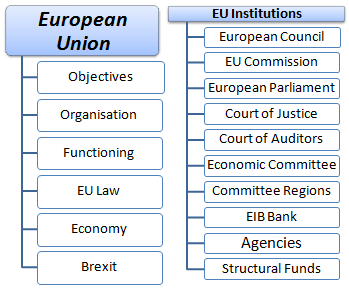
- Introduction to the European Union
- EU Institutions

- Credits: 3

- Duration: 3 weeks It is recommended to dedicate about twelve hours of study per week following a flexible schedule. It is possible to reduce the duration dedicating more hours a week
- Download the syllabus of the Course (PDF)
Aimed at all those who need to understand the complex functioning of the European Union.
Languages:


This module belongs to the following Higher Education Programs offered by EENI:
Masters: International Business, Foreign Trade.


Masters for Students from the  European Union.

Module one- Introduction to the European Union: The largest market in the world
- Objectives of the European Union
- Introduction to the budget and organization of the European Union
- The European Union in figures
- European Union's Law
- The European Union Treaties: Rome, Maastricht, Lisbon.
- Regulations, Directives and other legislative acts of the European Union
- Functioning of the European Union
- Introduction to the economy of EU
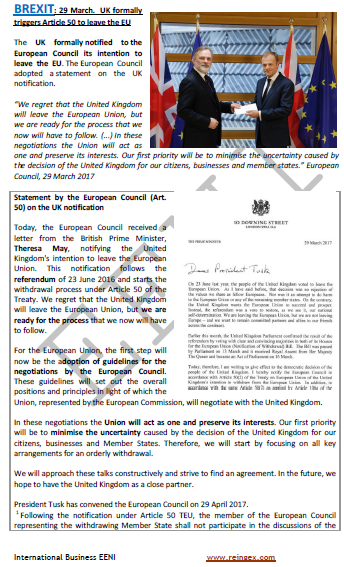
- BREXIT
- Amancio Ortega, the third richest man in the world
- Working for the European Union
- The European Union as a member of the European Economic Area of Western Civilization (PDF)
The specific objectives of the module one “Introduction to the European Union” are:
- To analyze the basic principles and functioning of the European Union
- To understand the basic concepts of the Community Law
- To assess the impact and causes of BREXIT
- To understand the importance of EU in the global scenario
- To analyze the structural and investment funds of the European Union
Module two- Institutions of EU.
- European Council: the political arm of EU
- Council of the European Union
- Presidency of the Council of the European Union
- European Commission: the executing body of the European Union
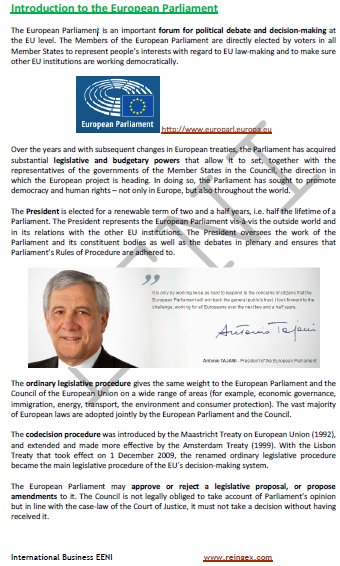
- European Parliament: the legislative body
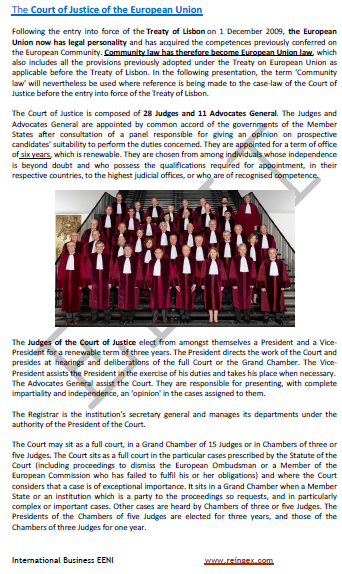
- Court of Justice of the European Union: the guarantor of EU legality
- European Court of Auditors (ECA): the financial supervisor of the European Union
- European Economic and Social Committee (EESC): the consultative body
- European Committee of the Regions (CoR): the assembly of representatives
- EIB (EIB): the financial institution of the European Union
- Decentralized EU Agencies
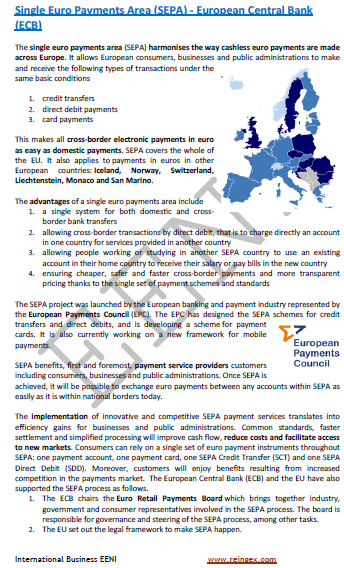
- European Central Bank
The specific objectives of the second module of the “Course in Institutions of the European Union” are to learn about:
- The role of each of the European Institutions
- The role of the European Council as the political arm of the European Union
- EU's political priorities
- The Strategic Agenda for the Union in times of change
- The role of the European Commission as the executing institution of the European Union
- Objectives, priorities and structure of the European Commission
- Implications of the White Paper on the future of Europe
- The key role of the European Parliament
- Parliament's legislative capacity and legislative procedures
- Role of the Court of Justice as the guarantor of legality in the European Union
- Reports, regulations and jurisprudence of the Court of Justice
- The role of the European Court of Auditors as the EU's financial supervisor
- The role of the European Economic and Social Committee (EESC) as the advisory body to the European Union
- Europe 2020 Multi-Year Program
- The role of the Committee of the Regions of EU and his relationship with the EU policies and legislation
- Cooperation areas, objectives and strategy of the European Investment Bank
- Specialized agencies of the European Union
- The role of the European Central Bank in the financial and monetary stability of the European Union
Note: the EU Foreign Policy is analyzed in the course “International economic relations of EU.”
Knowledge Area: Europe.
(c) EENI Global Business School (1995-2025)
Top of this page
