
International Trade, Exports, European Union


European Union's foreign trade. Exports of goods and services
- Introduction to the EU's Trade Policy.
- Europe 2020 strategy
- Industrial products and services
- International Trade of the EU
- European Union's foreign direct investment
- European Union and Globalization
- The role of the EU in the Regional Integration of the developing countries
- The EU's Bilateral Trade Agreements
- EU Trade Agreements
The objectives of the subject “EU's Foreign trade” are the following:
- To analyze the foreign trade and the foreign direct investment flows in the EU
- To know the strengths of the European external sector
- To understand the importance of the EU trade agreements

The Subject “International Trade of the EU” belongs to the following Online Programs taught by EENI Global Business School:
Doctorate: European Business, World Trade.

Masters: International Business, Foreign Trade.

Course: EU International Relations.

Languages:  or
or  Comercio exterior de la UE
  Commerce international de l’UE
  Comércio Exterior da UE.
 EU Students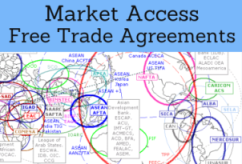
International Trade of the EU
The countries of the EU representing 19% of the world trade.
All the countries of the EU negotiate as one, through the European Commission. The EU negotiates the foreign trade relations with the external nations through the International trade policy of the EU.
The European Union trade policy covers.
- Trade in products
- Trade in Services
- Intellectual Property Rights
- Foreign direct investment
Multilateral Trade Agreements (Doha Development Round).
- Trade Agreements (Korea, ASEAN, India, Canada, Central America, Andean Community, Ukraine, EUROMED, MERCOSUR, Gulf States, Libya, China, Chile, Mexico, and Turkey), covering near 35% of international trade
- Deepen trade relations with the strategic partners: The U.S., China, Russia, Japan, India, and Brazil
- Unilateral dimension. Generalized System of Preferences: Everything But Arms and GSP+
International Trade of the EU
- Services sector: 75% of the EU GDP
- The European Automotive Industry is a leader in the global automotive market
- The EU is the largest chemical producer in the World
- The EU is the second global manufacturing location for pharmaceuticals products
- The EU is a largest computer and consumer electronics importer
- The EU is the second largest crude steel manufacturer
(c) EENI Global Business School (1995-2024)
We do not use cookies
Top of this page